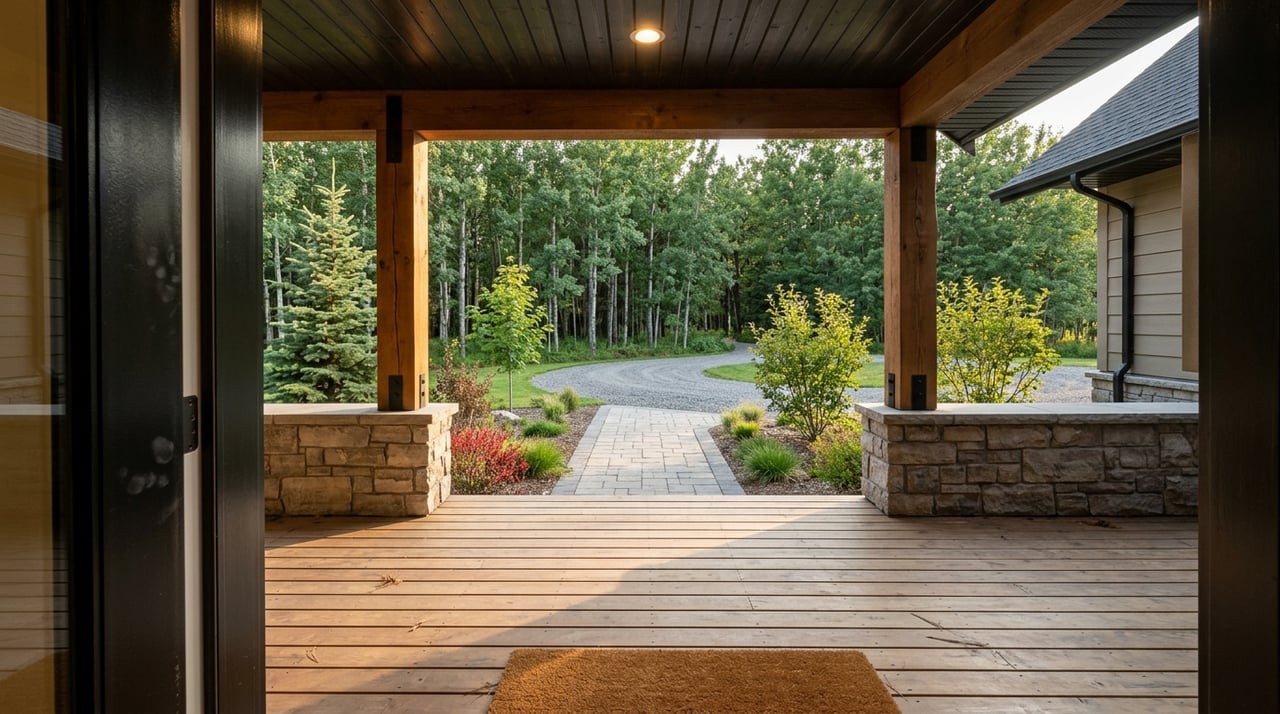
If you want a quieter place to live without feeling cut off, Morgan deserves a closer look. For many buyers, the challenge is finding a town that offers scenery and breathing room while still handling the basics of everyday life well. Morgan stands out because it pairs a small-town feel with local services, outdoor access, and a practical connection to the I-84 corridor. Let’s take a closer look.
Why Morgan Stands Out
Morgan is the county seat of Morgan County and the only incorporated municipality in the county. It sits in Morgan Valley at about 5,060 feet, with the Weber River and Interstate 84 running through the city.
That setting shapes how the town feels day to day. You get a mountain-valley setting and a relaxed pace, but you are also in a place with true town infrastructure rather than a purely recreational area.
The size matters too. The 2020 Census counted 4,071 people in Morgan city and 12,295 in Morgan County, which helps explain why Morgan feels like a real small town instead of a suburban extension of a larger city.
Quiet Living With Regional Access
One of Morgan’s biggest draws is balance. You can enjoy a calmer setting and still have direct access to the highway corridor that links west toward the Wasatch Front and east toward Interstate 80.
For buyers who commute, travel often, or simply want easier access to other parts of Northern Utah, that location can be a major advantage. Morgan is not framed by local planning documents as a resort district. It functions more like a scenic, low-key community with practical connections beyond town.
That can be especially appealing if you want space and scenery without giving up convenience. In many markets, that mix is hard to find.
Outdoor Access Is Part of Daily Life
Morgan’s setting is not just something you admire from a window. The Weber River is central to the city’s geography, and the city’s general plan highlights future trail connections along the river and foothills, including a planned riverfront trail-and-park system.
In everyday terms, that means outdoor access is built into the town’s identity. Whether you like walking, biking, fishing, or simply spending time outside, Morgan offers a lifestyle that feels connected to the landscape.
Riverside Park Amenities
Riverside Park is one of the clearest examples of how Morgan supports day-to-day recreation. The park includes a walking trail, playground, splash pad, restrooms, skate park, basketball court, volleyball area, and baseball park.
That range of amenities matters because it gives you usable public space close to home. It is not only about weekend adventure. It is also about having simple, local places to get outside.
Nearby State Park Options
If you want bigger recreation days, Morgan gives you options nearby. East Canyon State Park is about 12 miles south of Morgan along State Route 66 and is known for boating, fishing, camping, and day use.
Lost Creek State Park is another Morgan County option for water-based recreation. Utah State Parks describes it as largely undeveloped, with a primitive campground, boat ramp, and access centered on the reservoir.
Everyday Services Make a Difference
A lot of buyers focus first on views, lot size, or home style. Those details matter, but in Morgan, one of the most important questions is often more practical: what services come with the property?
Within Morgan city limits, Morgan City provides electric, water, sewer, and garbage service. The city also lists UTOPIA Fiber for internet, CenturyLink for phone service, and Morgan Secondary Water for seasonal irrigation water.
That local utility setup can make everyday ownership feel more straightforward. Morgan City also operates its own wastewater treatment facility and power department, which means several core services are handled directly at the city level.
City Limits vs. County Property
This is one of the most important things to understand if you are shopping in the Morgan area. A home inside Morgan city limits can have a very different service setup than a property in unincorporated county territory.
City homes generally rely on municipal utilities. By contrast, Morgan County says it does not provide utilities for county properties, and septic and well permits go through the Weber-Morgan Health Department.
For acreage, edge-of-town, or more rural properties, this difference can shape your budget, timeline, and due diligence. If you are considering land, cabins, or homes outside city boundaries, it is smart to confirm utility details early.
Why This Matters for Land Buyers
Morgan can be especially appealing if you are drawn to acreage, a getaway property, or a home with a little more room around it. But land and rural property purchases often come with more moving parts than an in-town home.
Questions about water, septic, access, and permitting can affect both value and usability. That is why local guidance matters so much in areas where city and county service patterns differ.
Morgan Feels Like a Functioning Town
Some scenic communities offer great surroundings but limited day-to-day support. Morgan is different because it has visible local systems that help the town function as a full community.
The city’s resident resources show that people can handle utility setup, park reservations, zoning lookups, business and building permits, dog licenses, and burn permits through city channels. That may sound simple, but it tells you something important about the town. Morgan is not just a place you pass through on the way to recreation.
Morgan County also has public infrastructure that supports local life, including the Morgan County School District and county fire coverage that coordinates with the sheriff’s office, Utah Highway Patrol, Weber 911, and air-medical providers. The county fire department reports annual call volume above 700.
A Historic Downtown Feel
Morgan also has a sense of local identity that goes beyond scenery. The Historic Morgan Train Depot on Commercial Street serves as the historical society office and visitor center, which helps explain the town’s historic downtown character.
For buyers, this adds another layer to the experience of living here. Morgan feels rooted, not manufactured. That can be a meaningful part of what people are looking for when they want a place with character and a slower pace.
Who Morgan May Be Right For
Morgan can be a strong fit if you want a small Northern Utah town with a quieter setting, outdoor access, and practical livability. It may also appeal to buyers who want mountain views and room to breathe without stepping too far away from regional travel routes.
You may want to look more closely at Morgan if you are searching for:
- A primary home in a small-town setting
- A property with easier access to outdoor recreation
- A home or parcel with a mountain-valley feel
- Land or acreage, especially if you understand rural-property due diligence
- A Northern Utah location with local services and highway access
Just as important, Morgan may not feel like the right fit if you want a bigger-city environment or a highly built-out suburban setting. Its appeal is tied to its scale, pace, and landscape.
What Buyers Should Check First
If Morgan is on your radar, start with a few practical questions before you narrow in on a property. These details can save time and help you compare options more clearly.
Key Questions to Ask
- Is the property inside Morgan city limits or in unincorporated Morgan County?
- What utility services are available now?
- If the property is outside city limits, what will be needed for well and septic planning?
- How close do you want to be to parks, the river corridor, or highway access?
- Are you looking for in-town convenience, more land, or a balance of both?
These are the kinds of details that shape how a property works for your real life, not just how it looks in photos.
Morgan offers something many buyers want but do not always find easily: a scenic setting with a grounded, everyday rhythm. It feels quiet without feeling disconnected, and it offers a practical mix of local services, outdoor recreation, and regional access that can make day-to-day living simpler than you might expect.
If you are exploring Morgan or comparing it with other Northern Utah communities, working with a team that understands both lifestyle fit and property details can make the process much easier. The The Nanci Lifer Team can help you evaluate Morgan homes, land, and acreage with clear, local guidance.
FAQs
What is Morgan, Utah like for full-time living?
- Morgan is a small town in Morgan Valley with a relaxed pace, local municipal services, and direct access to the I-84 corridor, which gives it a practical balance of quiet living and regional connectivity.
What outdoor recreation is available in Morgan, Utah?
- Morgan offers access to the Weber River, Riverside Park amenities, local biking and hiking opportunities, and nearby recreation at East Canyon State Park and Lost Creek State Park.
What utilities are available for homes in Morgan city limits?
- Morgan City provides electric, water, sewer, and garbage service, and the city lists UTOPIA Fiber for internet, CenturyLink for phone service, and Morgan Secondary Water for seasonal irrigation.
What should buyers know about Morgan County properties outside city limits?
- Morgan County says it does not provide utilities, and septic and well permits go through the Weber-Morgan Health Department, so rural and acreage buyers should confirm service details early.
Is Morgan, Utah a resort town?
- Morgan is better understood as a scenic small town with real local infrastructure and outdoor access, rather than a resort-focused market.
Why does location inside or outside Morgan city limits matter?
- The location matters because service setup can change significantly between city properties with municipal utilities and county properties that may need separate well and septic planning.